Research

Movement matters

The Surprising Results of Treadmill Training for Parkinson’s

Exercise and Parkinson’s: More Than Just Movement
Exercise is increasingly recognized as a powerful non-drug approach for managing Parkinson’s Disease (PD). But how does it really help? And does the intensity of exercise matter? A recent study using a Parkinson’s model in mice offers some fascinating answers.

Mapping the brain

Mapping the Brain to Heal It: How Singapore Scientists Are Advancing Parkinson’s Research 

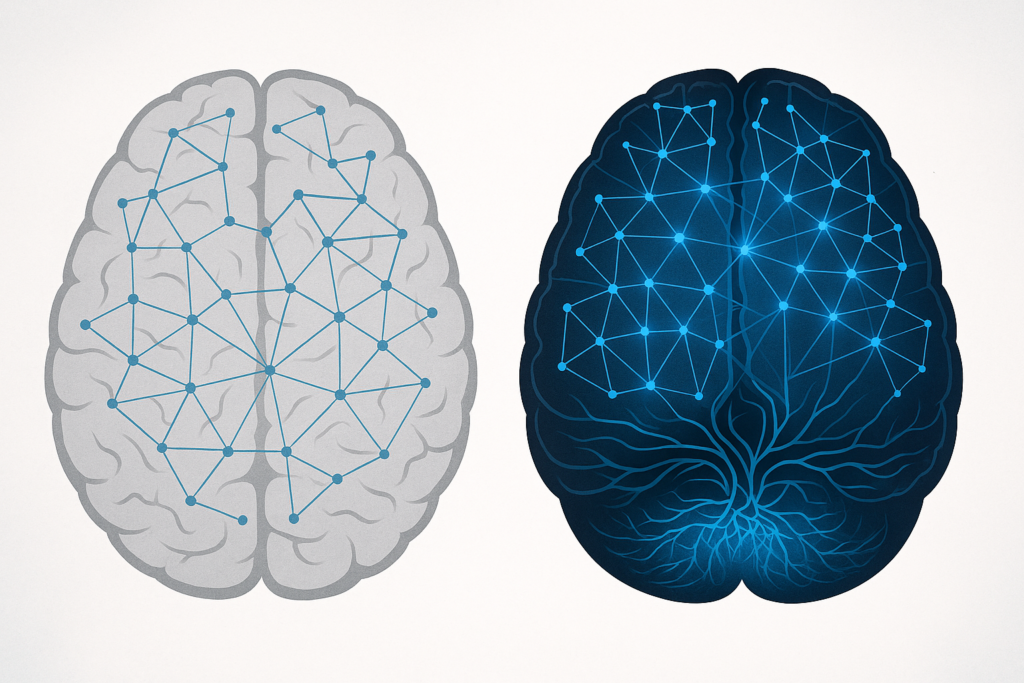
In a groundbreaking study, scientists from Duke-NUS Medical School and their global collaborators have unveiled one of the most detailed single-cell maps of the developing human brain. This new atlas not only captures nearly every cell type and their genetic signatures but also sets a new benchmark for producing high-quality neurons in the lab, offering fresh hope for people living with Parkinson’s Disease and other neurological disorders.

Virtual Reality Gait Assessment

Exploring the Future of Parkinson’s Care: How Virtual Reality May Revolutionize Gait Assessment 

For individuals living with Parkinson’s Disease (PD), gait disturbances, especially freezing of gait (FOG), can significantly impact daily life, independence, and safety. These episodes, where a person temporarily feels as though their feet are glued to the ground, often occur in challenging environments like narrow hallways or doorways. Clinicians have long struggled to accurately assess these symptoms in clinical settings, where real-world triggers are absent. But a new study suggests that virtual reality (VR) may offer a promising solution.

Scroll to Top
DONATE NOW!